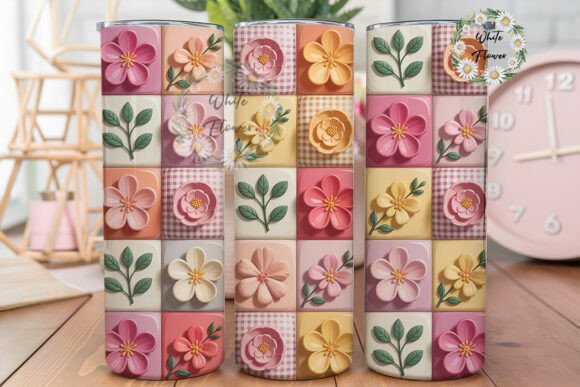
Sleeping Calf Floral 20oz Tumbler Wrap Review
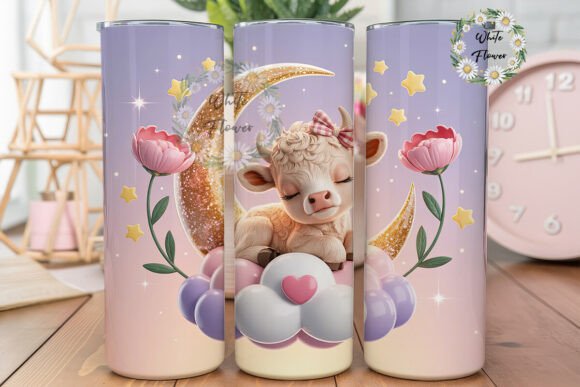
When I first opened the folder for Sleeping Calf Floral 20oz Tumbler Wrap, my immediate reaction was one of quiet appreciation. As a designer who spends hours evaluating digital assets for commercial use, I look for more than just a pretty picture; I need to know how it translates from a screen to a needle. This design immediately evokes a sense of calm and rustic elegance. The composition feels organic rather than rigid, suggesting a project that belongs in a cozy nursery, a boutique gift shop, or a personalized home decor line.
The concept of a sleeping calf surrounded by floral elements is inherently charming. It taps into the growing trend of pastoral aesthetics that have dominated handmade markets for years. However, the real test for any embroidery file isn't just its visual appeal in isolation, but its viability when stitched onto actual materials. I decided to put this design through a rigorous evaluation process to see if it holds up under the pressure of real-world production.
Visual Personality and First Impressions
The layout of Sleeping Calf Floral 20oz Tumbler Wrap strikes a balance between detailed illustration and clean negative space. In the world of machine embroidery design, whitespace is just as critical as the stitch work itself because it prevents the final product from looking cluttered. The floral accents frame the central figure beautifully, creating a natural focal point that guides the eye without overwhelming it.
For a graphics asset intended for a tumbler wrap, the dimensions are significant. The requirement to size the design to 9.3" x 8.2" indicates a substantial footprint. This isn't a tiny logo for a cap brim; this is a statement piece. When I imagine this stitched onto a stainless steel surface, the scale works perfectly to cover the curve of the container while maintaining readability. The mood is undeniably soft and inviting, making it an ideal candidate for baby shower gifts, mother-and-child themed merchandise, or springtime collections.
Real-World Application Scenarios
To truly understand the utility of this design, I simulated several production scenarios. The most obvious application, naturally, is the tumbler itself. A custom embroidered tumbler with this motif would stand out on an Etsy listing. The combination of the sleeping animal and the flowers suggests a "farmhouse chic" aesthetic that resonates strongly with current consumer tastes. It transforms a standard drinkware item into a sentimental keepsake.
But let's look beyond the tumbler. As a creative entrepreneur, I often think about cross-utilization. Could this work on a tote bag? Absolutely. The large surface area of a canvas tote would allow the satin stitch details of the flowers to pop without feeling cramped. Imagine a small business owner selling these bags at a craft fair alongside other handmade goods; the design adds a layer of professionalism and thoughtfulness that customers appreciate.
I also considered its potential for apparel. While the prompt specifies a tumbler wrap, the artistic style fits well on a sweatshirt back or a baby onesie. The gentle curves of the floral elements would drape nicely over fabric, unlike a blocky geometric pattern that might distort on a curved surface. For a personalized gift, adding a name in a complementary script font could elevate this from a generic print to a bespoke item. The design has enough detail to justify a higher price point, which is crucial for commercial embroidery projects where profit margins matter.
Technical Performance and Stitch Considerations
Now, let's talk about the nitty-gritty. The description notes that the design comes in two variations: Straight and Tapered. This is a massive advantage for versatility. The tapered version likely accounts for the curvature of the tumbler, ensuring that the image doesn't look stretched or distorted when wrapped around the cylinder. However, the fact that the design is not seamless requires careful attention during the digitizing or placement phase.
If you are planning to use this on a continuous surface like a long apron or a wide banner, you will need to plan your stitching order carefully to avoid visible seams. For a single tumbler, this is less of an issue, but it does mean you cannot simply tile the pattern indefinitely. The resolution is listed as 300 DPI, which is excellent for previewing mockups, though remember that embroidery relies on thread density, not pixel sharpness. You must verify how the stitch density handles the finer lines of the calf's fur and the delicate petals.
I recommend testing the fill stitch areas on scrap fabric before committing to expensive materials. Dense fill stitches can sometimes cause puckering, especially on thin fabrics or stretchy knits. If you intend to use this on a t-shirt or a lightweight hoodie, ensure you are using a high-quality cutaway stabilizer to support the weight of the design. The contrast between the dark outlines and the lighter floral fills needs to be balanced; too much density in one area can make the embroidery feel stiff and heavy.
Where to Exercise Caution
No design is perfect for every situation, and Sleeping Calf Floral 20oz Tumbler Wrap is no exception. There are specific contexts where this design might struggle. Small hoop sizes are a primary concern. Because the design requires a 9.3-inch width, it will not fit in standard 4x4 or 5x7 hoops. Attempting to stitch this in smaller sections would result in misalignment and wasted time. It demands a larger machine or a multi-hoop workflow.
Texture is another factor. Embroidery thrives on smooth surfaces like cotton twill or polyester blends. If you attempt to stitch this on a heavily textured fabric like bouclé or a very loose weave, the running stitch details might get lost in the fabric's grain. Similarly, dark fabrics present a challenge. Unless you plan to use a heavy underlay or white backing, the colors may appear muted. Always test thread color contrast against your base material. A light-colored calf on a black background might require extra layers of white thread underneath to achieve opacity.
Curved surfaces like caps are tricky. While the tapered version helps, the transition from straight to curved can be difficult to manage if the design includes fine lettering or intricate corners. If the design contains tiny text, it risks becoming illegible after stitching due to thread compression. I would advise against using this for products that undergo frequent industrial washing, as the sheer volume of thread used in a design of this size can lead to premature wear if not secured properly.
Practical Notes for the Designer
Before you download and start stitching, there are a few housekeeping items to address. First, always check the licensing terms. Just because a design is free of watermarks doesn't automatically grant unlimited commercial rights. Confirm whether you are allowed to sell finished products made with this file or if it is restricted to personal use only. This distinction is vital for Etsy sellers and small shop owners to avoid legal issues.
Use proper stabilizers. For a design this large, a tear-away or cut-away stabilizer is non-negotiable. The weight of the threads can pull on the fabric if not supported correctly. Also, inspect the design assets for any hidden artifacts. Sometimes, even high-resolution files contain stray pixels or uneven spacing that only become apparent once the machine starts moving. Running a quick simulation in your embroidery software is a smart step to catch these errors early.
Finally, consider the end-user experience. Does this design add value to the product? A well-executed Sleeping Calf Floral 20oz Tumbler Wrap can turn a $15 tumbler into a $35 premium item. It communicates care and quality. However, if the stitching is sloppy or the alignment is off, it can damage brand trust. Take the time to do a test run on scrap material, check the thread tension, and ensure the finished product looks as good as the digital preview.
In conclusion, this design offers a lovely blend of whimsy and sophistication. It is a strong contender for anyone looking to expand their catalog of handmade products. By understanding its limitations regarding hoop size and fabric type, and by respecting the technical requirements of digital embroidery files, you can create stunning pieces that delight customers and elevate your craft business.