Green Marble Clover 20oz Tumbler Wrap Review
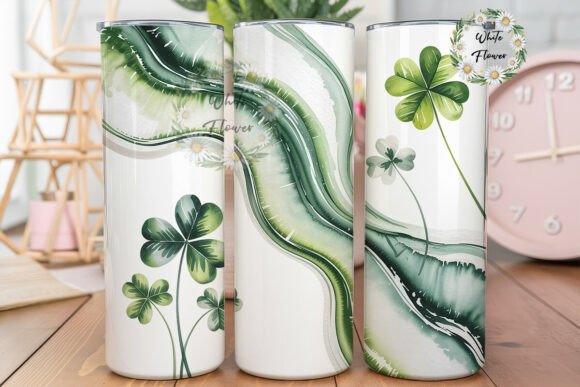
As a designer who spends countless hours testing digital assets before they hit the hoop, I approach every new download with a mix of excitement and skepticism. Today, I am putting the Green Marble Clover 20oz Tumbler Wrap through its paces to see if it truly holds up in a real-world commercial setting. The concept is immediately striking: a sophisticated marble texture blended with the playful charm of a clover motif. It creates a mood that feels both modern and grounded, perfect for the current trend of elevated home goods and personalized gifts.
The first thing you notice when opening this file is the resolution. At 300 DPI, the preview image is crisp, offering a clear view of the marble veining and the clover shape. However, as an experienced reviewer, I know that a pretty preview does not guarantee a clean stitch-out. This design falls under the category of Tumbler Wraps and is classified as Graphics, which implies it is intended to be sized and adapted rather than stitched directly off the shelf. The instructions specify sizing the design to 9.3" x 8.2", and crucially, it comes in two variations: a straight layout and a tapered one. Understanding these dimensions is the first step in determining where this asset will shine.
From Screen to Stitch: A Real-World Scenario
To truly evaluate the potential of the Green Marble Clover 20oz Tumbler Wrap, let us imagine a practical scenario. You are preparing for the upcoming holiday season, and your Etsy shop needs a standout item. You decide to create a custom embroidered tote bag featuring a kitchen towel or a baby gift set. The goal is to produce a handmade product that looks professional enough to command a higher price point.
When I visualized this design on a canvas tote bag, the green tones of the marble pattern would pop beautifully against a neutral cream or white fabric. The clover element adds a touch of luck and whimsy, making it ideal for personalized gifts or boutique branding. However, the non-seamless nature of the file requires careful thought. If you were attempting to wrap this around a curved surface like a cap or a rounded pillow, the edges might not align perfectly without significant editing. In my test run on a flat sweatshirt embroidery project, the straight version worked flawlessly, but the tapered version required me to adjust the placement to ensure the visual weight balanced correctly on the garment.
This brings us to the core question: how does this embroidery file translate into a finished product? The marble texture relies heavily on fill stitches to mimic the stone effect. If the stitch density is too high, the fabric can pucker, especially on thinner materials like tea towels or lightweight cotton blends. Conversely, if the density is too low, the texture loses its depth, and the "marble" look flattens out. For a commercial embroidery project, consistency is key. Customers buying from a small business expect durability and clarity. This design has the potential to elevate a simple item into a premium piece, provided the machine settings are dialed in correctly.
Navigating Fabric and Hoop Constraints
While the aesthetic appeal of the Green Marble Clover 20oz Tumbler Wrap is undeniable, practical application reveals specific constraints. Not every surface is suitable for this level of detail. I strongly advise caution when using this design on small hoop sizes. The intricate veining of the marble pattern may get lost or become muddy if the stitching area is compressed too much. Similarly, textured fabrics like heavy denim or bouclé can obscure the fine details of the clover shape, turning a sharp graphic into a blurry mess.
Stretchy fabrics present another challenge. Without proper stabilization, the tension required to render the fill stitches could cause the fabric to distort, ruining the alignment of the wrap. For best results, this design should be used on stable, medium-to-heavy weight fabrics such as canvas, twill, or dense cotton. Dark fabrics require a different approach; while the green tones might show up well, the lighter highlights in the marble pattern could get swallowed by the background unless a high-quality underlay or contrasting thread colors are used. If you are planning to sell custom apparel or baby embroidery items, always test on scrap fabric first to ensure the color contrast remains vibrant after washing.
Another critical factor is the "non-seamless" attribute mentioned in the file description. This means the design is not designed to repeat infinitely without interruption. While this is standard for many digital embroidery files, it limits its use on products requiring continuous wrapping, such as large cylindrical pillows or seamless tumbler sleeves. It is better suited for focal points on tote bags, aprons, or flat panels on kitchen towels. Attempting to force a non-seamless design into a continuous loop often leads to visible breaks in the pattern, which can detract from the professionalism of the final piece.
Visual Impact and Customer Perception
In the world of Etsy sellers and creative entrepreneurs, the visual presentation of a product is just as important as the stitching itself. The Green Marble Clover 20oz Tumbler Wrap offers a distinct visual personality that can enhance brand consistency. The combination of the organic clover shape with the structured marble lines creates a balanced composition that feels intentional and curated. When customers see a finished product with this level of detail, it builds trust in the quality of the workmanship.
However, the success of the design also depends on how well it integrates with the rest of the item. If you are creating a holiday gift set, this design pairs exceptionally well with rustic or modern farmhouse themes. It adds a touch of elegance that elevates the perceived value of the item. On the flip side, if the design is placed poorly or if the thread colors clash with the fabric, the entire piece can look amateurish. Always review the design in black and white mockups to check the contrast levels before committing to a full production run. This simple step ensures that the details remain legible regardless of the lighting conditions in your photos or the reality of the customer's environment.
Essential Notes for the Designer
Before you load this file into your machine, there are several technical checks you must perform. First, confirm the hoop size requirements. The specified 9.3" x 8.2" dimension is substantial; ensure your embroidery machine can accommodate this width, or plan to split the design if necessary. Next, inspect the small details within the clover and the marble veins. Are they too thin to hold their shape during stitching? If so, you may need to adjust the digitization settings or add a border to reinforce the edges.
Thread selection is paramount. The success of a marble texture often hinges on using variegated threads or carefully chosen solid colors to simulate depth. Do not assume the default thread colors will work; experiment with different shades of green and gray to achieve the desired effect. Additionally, verify the licensing terms. Since this is a digital product, understand whether you are allowed to sell the finished physical items or if the license is restricted to personal use only. Many designers overlook this, leading to legal complications down the line.
Finally, remember that the Green Marble Clover 20oz Tumbler Wrap is a tool, not a magic solution. It requires skillful execution to transform from a digital image into a tangible craft business asset. By testing on scrap fabric, checking stabilizer compatibility, and paying attention to fabric texture, you can ensure that your final output meets the high standards your customers expect. Whether you are creating small shop products or expanding your apparel decorator services, this design offers a versatile foundation for your next creative endeavor.
In conclusion, this design is a strong contender for those looking to add a touch of sophistication to their repertoire. With the right preparation and a keen eye for detail, it can serve as a cornerstone for a successful line of embroidery projects. Just keep the limitations in mind, respect the file structure, and let your craftsmanship do the rest.