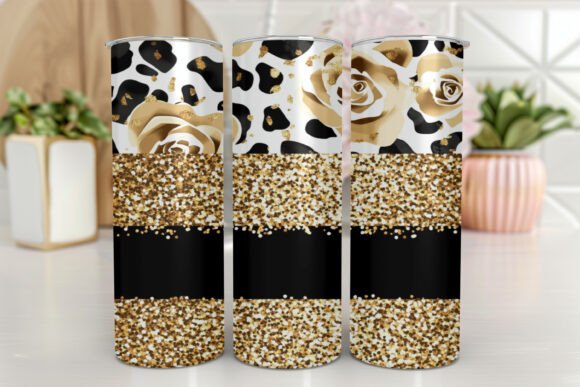
Leopard Drip Tumbler Wrap: A Designer's Real-World Review
When I first opened the Leopard Drip Tumbler Wrap file, my initial reaction wasn't about the technical specs or the pixel count. It was about the vibe. As someone who has spent years evaluating embroidery designs for everything from boutique branding to personalized gifts, I know that a design's true value lies in how it translates from a digital screen to a stitched reality. This graphic immediately caught my eye because of its bold, edgy personality. The "drip" motif combined with the classic leopard print creates a mood that is both trendy and timeless, perfect for a customer looking to add a touch of wild flair to their everyday accessories.
The First Stitch: Visual Impact and Design Personality
In the world of machine embroidery design, not every pattern works on every surface. The Leopard Drip Tumbler Wrap feels specifically engineered for vertical, cylindrical surfaces, which makes sense given its intended use as a tumbler wrap. However, the layout is so dynamic that I found myself wondering where else this could shine. The visual weight of the design is balanced well; it isn't too heavy for a small hoop, yet it has enough detail to hold attention on a larger canvas. The high-resolution nature of the files ensures that the jagged edges of the drip effect will stitch cleanly without looking blocky or pixelated, a common issue with lower-quality graphics.
The theme suggests a product that appeals to a specific demographic: those who love a bit of attitude in their decor. Whether you are an Etsy seller looking to expand your catalog or a hobbyist making holiday gifts, this design offers a unique selling point. It moves away from the generic floral patterns often seen in embroidery and brings a modern, streetwear-inspired aesthetic to home goods. When I imagine this stitched onto a matte black tumbler, the contrast would be striking. But the real test is always how it holds up under the pressure of the needle.
Real-World Application: Beyond the Tumbler
While the listing specifies this is a Tumbler Wrap designed for a 20oz straight skinny tumbler, experienced designers know that great graphics often transcend their original intent. I decided to run a mental simulation of using this embroidery file on various projects to see where it truly fits. If I were preparing custom apparel for a local sports team or a boutique clothing line, this design would work beautifully as a chest logo or a back-print on a hoodie. The dripping effect adds movement, which is excellent for creating a sense of flow in a static garment.
Imagine a scenario where a client wants a matching set for a baby shower or a nursery gift. While the leopard print might seem mature, the playful "drip" element softens the look, making it suitable for a unisex baby outfit or a modern nursery pillow cover. The embroidery project potential here is vast. You could adapt this digital embroidery file for a tote bag design, turning a simple canvas bag into a statement piece. For craft business owners, this is a goldmine for creating cohesive collections. Think about a sweatshirt embroidery collection paired with matching aprons for a coffee shop or a kitchen towel set for a wedding gift. The consistency in style helps build brand recognition.
I also considered the commercial embroidery angle. In a retail environment, products need to stand out on a shelf. A finished product featuring the Leopard Drip Tumbler Wrap has a high perceived value. Customers are drawn to designs that look professionally executed and trend-forward. By offering this as part of a personalized gift service, you can charge a premium for the customization. The design acts as a conversation starter, signaling that the maker paid attention to current aesthetics. It elevates the entire presentation of the handmade product.
Technical Considerations and Potential Pitfalls
Despite the strong visual appeal, no design is without its challenges. Before committing to a large batch of production, there are critical factors to consider regarding the stitch density and fabric choice. The "drip" elements involve long, flowing lines that can sometimes cause puckering if the stabilizer isn't chosen correctly. If you are working with thin fabrics like light cotton or silk, the tension required to hold these fills might distort the material. Similarly, stretchy fabrics like jersey or spandex blends require a firm backing to prevent the design from warping when the garment is worn or stretched.
Another area to watch closely is the application on curved surfaces. While the design is optimized for a straight skinny tumbler, applying it to a cap or a rounded pillow requires careful hooping. If the curve is too aggressive, the top of the drip might stretch while the bottom bunches up. For small hoop sizes, the details in the leopard spots might get lost if the resolution isn't sufficient, though the provided 300 DPI files suggest they should remain crisp. However, it is always wise to test the design on scrap fabric first to ensure the thread colors provide enough contrast against your specific background.
Dark fabrics present another layer of complexity. To make the white or light-colored highlights in the drip effect pop, you may need to adjust the underlay stitches or choose a lighter thread color for the base. Conversely, on light fabrics, the dark leopard spots need to be dense enough to cover the background completely. Ignoring these nuances can lead to a finished product that looks muddy or incomplete, damaging the reputation of a small shop product or a personal gift.
Practical Notes for the Savvy Designer
To ensure the Leopard Drip Tumbler Wrap delivers the quality you expect, I recommend a few practical steps before starting your main project. First, always check the licensing terms. Even though this is a digital product, some sellers restrict commercial use or limit the number of finished items you can sell. Confirm whether you have the rights to create merchandise for resale.
Next, focus on your stabilizer selection. For a design with varying stitch types, such as satin stitch for outlines and fill stitch for the body, a cut-away stabilizer is often the safest bet for durability, especially for items that will undergo frequent washing. If you are making a patch or a hat, a tear-away might suffice, but for a tote bag or a blanket, stability is key. Also, review the stitch density in your digitizing software. If the design feels too dense, it might be difficult to stitch through thick materials like denim or fleece without breaking needles.
Finally, don't forget to test the thread colors. The contrast between the leopard spots and the drip lines is crucial for the design's clarity. Sometimes, a mockup in black and white can reveal issues with contrast that color files hide. By comparing light and dark fabric backgrounds during your testing phase, you can avoid costly mistakes. Whether you are an Etsy seller, a small business owner, or a creative entrepreneur, taking these precautions ensures that your finished product reflects the high standards of your brand.
In conclusion, the Leopard Drip Tumbler Wrap is more than just a pretty image; it is a versatile asset for any designer looking to inject personality into their work. With thoughtful execution and attention to the technical details of embroidery, this design can become a standout feature in your portfolio, delighting customers and elevating your handmade creations.