Vintage Forest Fungi 20oz Tumbler Wrap
As a designer who has spent years stitching and reviewing digital assets for real-world applications, I often find myself skeptical of new releases. The market is flooded with generic patterns that look great in a preview but fail under the needle. However, when I first laid eyes on the Vintage Forest Fungi 20oz Tumbler Wrap, something clicked. It isn't just another graphic; it feels like a design born from a specific aesthetic that resonates deeply with the current demand for nature-inspired, rustic, and whimsical handmade goods.
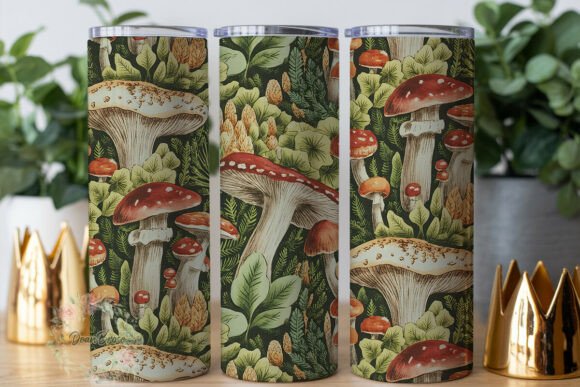
The initial mood this piece creates is one of quiet enchantment. The vintage forest theme suggests a connection to the earth, while the fungi motif adds a touch of magical realism that is currently trending in craft circles. Visually, the layout is balanced, avoiding the cluttered feel that plagues many low-quality embroidery files. The dimensions of 9.3″ x 8.2″ provide a generous canvas, allowing the details to breathe without feeling cramped on a standard surface. For anyone looking to elevate their product line, this file offers a distinct personality that can transform a basic item into a statement piece.
Real-World Application: From Digital File to Finished Product
To truly understand the value of a design, you have to imagine it in the hands of a customer or on the arm of a machine. I recently considered using the Vintage Forest Fungi 20oz Tumbler Wrap for a custom order intended for a boutique client specializing in outdoor gear and home decor. My goal was to create a limited run of embroidered tote bags and aprons featuring this specific woodland aesthetic.
The scenario was straightforward: apply the design to heavy-duty cotton canvas for the totes and durable twill for the apron fronts. The challenge lies in how the design translates from a high-resolution PNG to physical thread. In my experience, designs with intricate organic shapes like mushrooms and leaves require careful attention to stitch density. If the fill stitch is too tight, the fabric puckers; if it is too loose, the image loses definition. The clean lines of this particular design suggest it will hold up well against the texture of canvas, creating a tactile contrast that enhances the visual appeal.
I also envisioned this design on a softer substrate, such as a baby onesie or a nursery pillow cover. The soft, vintage tones of the fungi pattern would translate beautifully onto light pastels, offering a gentle, non-overwhelming decoration for a child's room. This versatility is crucial for small business owners who need a single asset to serve multiple product categories, from holiday gifts to everyday wearables.
Performance on Various Fabrics and Garments
When evaluating an embroidery file for commercial use, stability is key. The Vintage Forest Fungi 20oz Tumbler Wrap appears to be optimized for surfaces where the design needs to stand out clearly. On a sweatshirt or a thick hoodie, the fill stitches will likely lay flat and provide a rich texture that customers love to touch. Similarly, on a tea towel or kitchen linen, the design would add a charming, cottage-core vibe that fits perfectly in modern farmhouse kitchens.
However, not every application is a guaranteed success. I must advise caution when considering this design for curved surfaces like caps or hats. While the dimensions are substantial, wrapping a complex organic shape around a curved brim can distort the perspective of the fungi elements. Unless you have access to advanced digitizing software to adjust for curvature, it is safer to stick to flat surfaces like tote bags, patches, or pillow covers. Additionally, on stretchy fabrics like jersey knit, the weight of the embroidery could cause the garment to lose its shape over time, so proper stabilizer usage is non-negotiable.
Navigating Technical Challenges and Fabric Texture
One of the most critical aspects of embroidery is understanding how thread interacts with fabric. The Vintage Forest Fungi 20oz Tumbler Wrap features detailed elements that might get lost if the wrong thread colors are chosen. For instance, using a dark green thread on a dark forest background fabric would result in a muddy, indistinct image. To maintain clarity, I recommend testing your thread colors against scrap fabric first. A high-contrast palette, perhaps using cream or gold threads on a navy or charcoal background, would make the vintage details pop significantly.
Texture also plays a major role. Embroidering on a rough, textured burlap or a highly looped fleece requires different tension settings than smooth cotton. The dense stitch areas typical of mushroom caps can sometimes create a "stiff" spot on the fabric. If you are producing items that need to remain soft to the touch, such as baby clothes, you may need to reduce the stitch density slightly or choose a lighter backing stabilizer to prevent the design from feeling like a patch of concrete.
There are also limitations regarding washability. Items that undergo frequent washing, like work aprons or daily-use tote bags, benefit from robust stitching. If the design relies heavily on tiny running stitches for fine details, these may fray after multiple wash cycles. For long-lasting durability, ensuring that the satin stitches are secure and the fill stitches are properly anchored is essential. Always inspect the finished product for any loose threads before shipping to a customer, as this impacts professional trust.
Strategic Placement for Maximum Impact
Where you place the Vintage Forest Fungi 20oz Tumbler Wrap can define the entire look of the project. On a large tote bag, centering the design allows it to act as the focal point, drawing the eye immediately. For smaller items like patches or cap logos, you might need to crop the design carefully, though the provided dimensions suggest it is best suited for larger wraps or full-front placements.
In the context of a craft fair or Etsy shop, presentation matters. When photographing the finished product, the vintage aesthetic of the fungi design pairs exceptionally well with natural lighting and rustic props like wooden boards or dried flowers. This helps convey the handmade quality and artisanal effort that buyers are willing to pay a premium for. The design effectively communicates a brand identity that values nature, craftsmanship, and timeless style.
Practical Designer Notes for Implementation
Before committing to a production run, there are several steps every serious maker should take. First, always test the design on scrap fabric that matches the final material in weight and texture. This reveals potential issues with puckering or thread breakage early on. Second, review the stitch density and confirm that the hoop size accommodates the 9.3″ x 8.2″ dimensions without cutting off any vital details. If your machine's hoop is smaller, you may need to split the design, which can affect the continuity of the artwork.
It is also vital to check the licensing terms associated with the download. The description notes that the files are high-resolution PNGs, but it does not explicitly state whether they include vector files (like .DST or .PES) required for direct machine embroidery. If you are purchasing this as a digital embroidery file for direct stitching, ensure you have the correct format. If these are strictly graphics for printing or sublimation, they cannot be used directly in an embroidery machine without digitizing them yourself. Clarifying this distinction prevents costly mistakes and wasted time.
Finally, consider the end-user experience. A personalized gift featuring the Vintage Forest Fungi 20oz Tumbler Wrap becomes more special when the execution is flawless. Customers expect a level of professionalism that reflects the care put into the design. By paying attention to stabilizer selection, thread tension, and finishing touches, you ensure that the final product lives up to the promise of the original artwork.
In conclusion, the Vintage Forest Fungi 20oz Tumbler Wrap stands out as a versatile and aesthetically pleasing asset for designers and entrepreneurs. Its vintage charm and clear structure make it suitable for a wide range of projects, from holiday gifts to boutique merchandise. With careful planning and technical diligence, this design can become a staple in your collection of design assets, helping you create memorable and high-value handmade products that customers will cherish.